Finding the right mental health and recovery support in San Antonio can feel overwhelming given the variety of services available. Whether you or a loved one is seeking help for substance use, mental health challenges, or both, understanding how to compare providers is key to making informed choices. This guide offers practical advice on evaluating local options, ensuring you find care that fits your needs and preferences.
Understanding Types of Mental Health and Recovery Services
San Antonio offers a range of mental health and recovery services, including outpatient counseling, inpatient treatment, detox programs, sober living homes, and peer support groups. Each type serves different needs:
- Outpatient counseling provides therapy sessions without overnight stays.
- Inpatient treatment offers intensive care with 24/7 supervision, often necessary for severe cases.
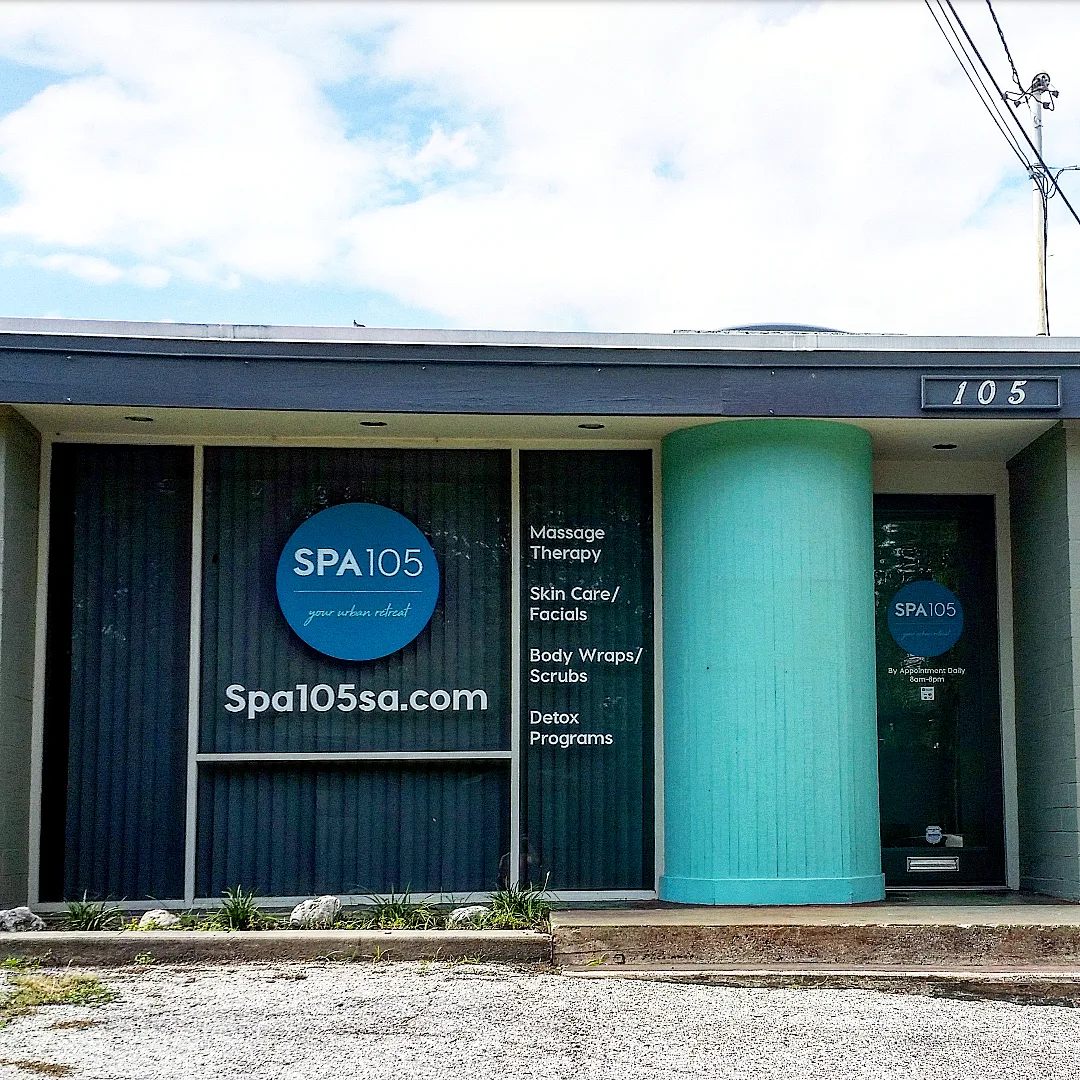
- Detox programs focus on safely managing withdrawal symptoms under medical supervision.
- Sober living homes support individuals transitioning from treatment to independent living.
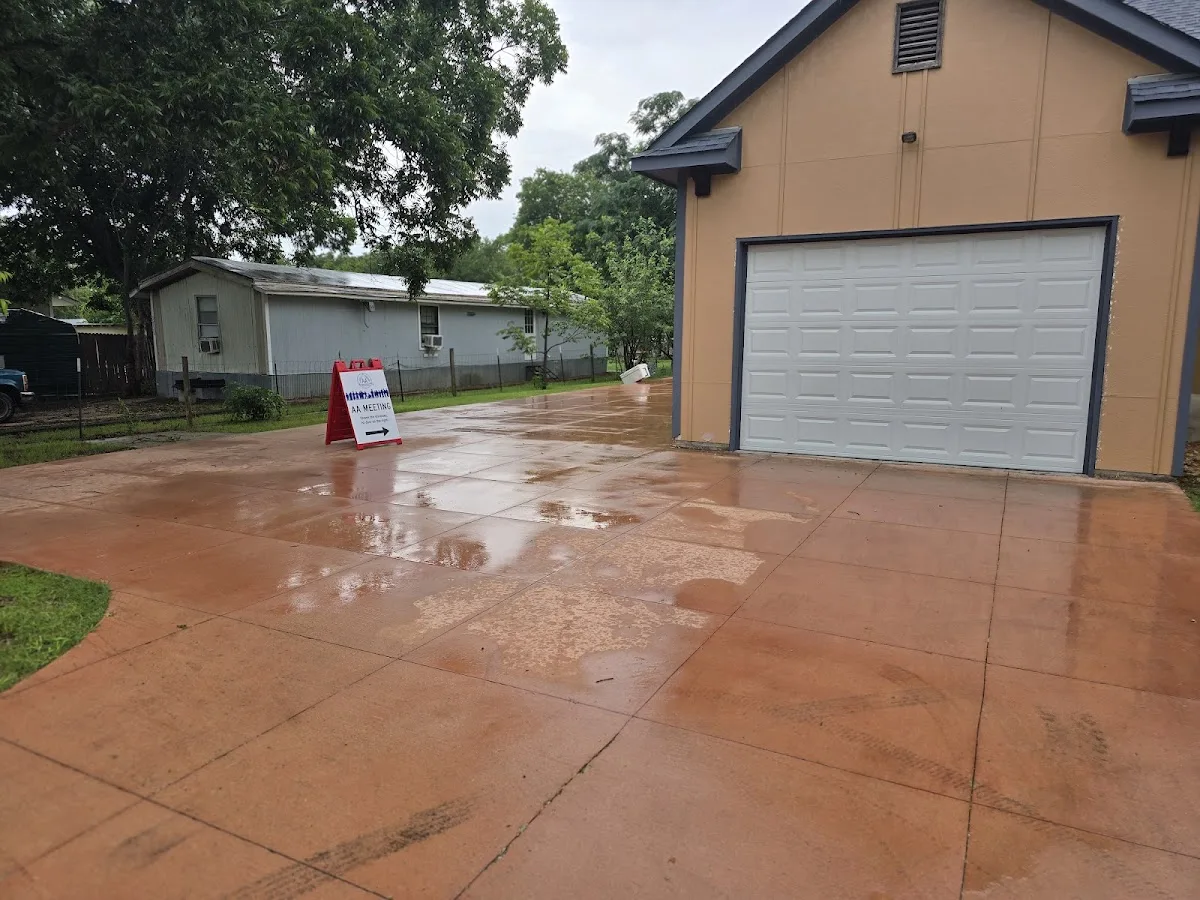
- Peer support groups like AA or mental health support groups provide community and shared experiences.
Knowing these categories helps you identify which services match your current needs.
Key Factors to Consider When Comparing Providers
When evaluating mental health and recovery providers in San Antonio, consider these important factors:
- Licensing and accreditation: Verify that the facility and clinicians hold appropriate state licenses and certifications.
- Range of services: Check if they offer integrated care for co-occurring disorders, such as addiction and mental health.
- Staff qualifications: Look for licensed therapists, counselors, and medical professionals experienced in your specific needs.
- Treatment approaches: Understand whether they use evidence-based therapies like cognitive-behavioral therapy (CBT), medication-assisted treatment (MAT), or holistic methods.
- Aftercare and support: Assess availability of relapse prevention, sober living, or ongoing counseling.
These factors help ensure quality and continuity of care.
Practical Checklist for Comparing Mental Health and Recovery Providers
- Confirm current licensing status through Texas Department of State Health Services.
- Ask about the provider’s experience with your specific condition or substance use.
- Inquire about medical supervision availability, especially for detox or withdrawal management.
- Request details on treatment plans and whether they are individualized.
- Check if the provider accepts your insurance or offers affordable payment options.
- Verify if 24/7 crisis support or emergency contacts are available.
- Look for peer support or community integration programs.
- Read recent reviews or testimonials from San Antonio clients.
This checklist can guide your conversations and research.
Questions to Ask Mental Health and Recovery Providers in San Antonio
When contacting providers, consider asking these questions to gather essential information:
- What types of mental health and addiction services do you offer?
- Are your staff licensed and trained in evidence-based treatments?
- Do you provide medical supervision during detox or withdrawal?
- How do you coordinate care for clients with co-occurring disorders?
- What aftercare or relapse prevention programs do you have?
- Do you accept my insurance or offer sliding scale fees?
- How do you handle emergencies or crisis situations?
- Can you provide references or connect me with current or former clients?
These questions help clarify whether a provider meets your expectations and needs.
Verifying Provider Details and Staying Updated
Provider information can change, so it’s important to verify details before committing. In San Antonio, you can:
- Check licensing and complaint history with the Texas Department of State Health Services.
- Contact the provider directly to confirm services, staff credentials, and insurance acceptance.
- Consult national resources like SAMHSA’s treatment locator or call the 988 Suicide & Crisis Lifeline for guidance.
- Review recent client feedback on trusted local forums or directories.
Keeping information current ensures you access reliable and effective care.
Local Resources and Support Networks in San Antonio
San Antonio has a variety of community resources to complement professional treatment:
- Peer support groups: Organizations such as Alcoholics Anonymous (AA) and mental health support groups offer regular meetings and fellowship.
- Community mental health centers: These provide affordable counseling and case management services.
- Hotlines and crisis services: The 988 Lifeline connects you to immediate help for mental health emergencies.
- Family support programs: Local nonprofits offer education and counseling for loved ones.
For more information on sober living options and treatment programs, visit /sober-living and /treatment pages on this site.
Conclusion: Making Informed Choices for Mental Health and Recovery in San Antonio
Comparing mental health and recovery support in San Antonio involves understanding service types, evaluating provider qualifications, and verifying current information. Using checklists and asking targeted questions empowers you to find care tailored to your needs. Remember to explore local resources and reach out to trusted organizations like SAMHSA and the 988 Lifeline for additional support. Taking these steps helps ensure your path to recovery and mental wellness is supported by knowledgeable, compassionate professionals.
Sober Network is a directory, not an intake form. Explore local facilities and contact providers directly.