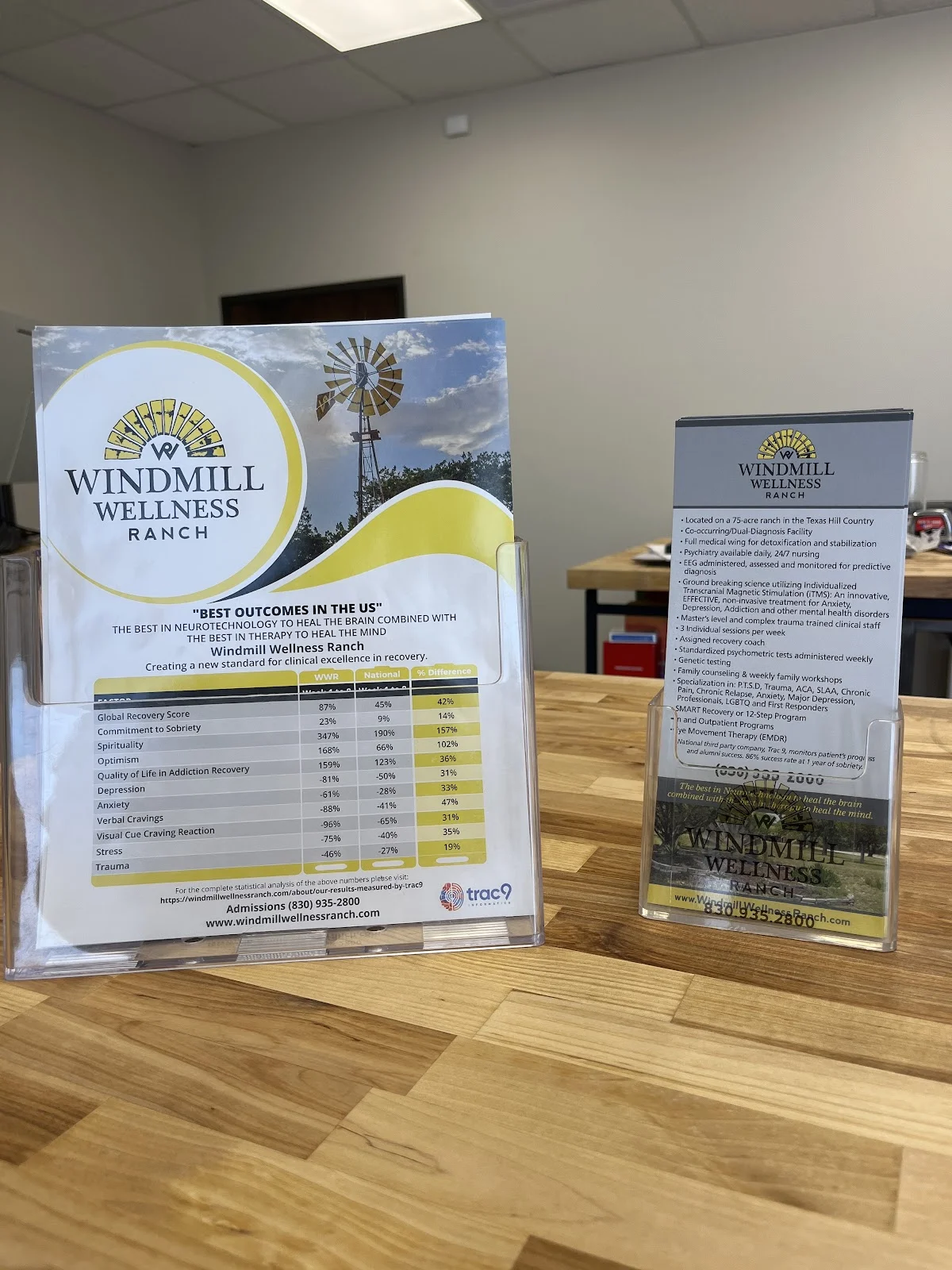
Recovering from addiction is a challenging journey that requires commitment, awareness, and proactive strategies to prevent relapse. In San Antonio, TX, individuals in recovery can benefit from understanding the stages of relapse, recognizing common triggers, and utilizing community resources. This guide aims to empower you with practical relapse prevention strategies to support your ongoing recovery journey.
Hiểu về các giai đoạn tái phát
Relapse is often viewed as a single event; however, it typically occurs in three stages: emotional, mental, and physical.
Emotional Relapse
During the emotional stage, a person may not be thinking about using substances but is showing signs of stress or emotional instability. Key indicators include:
- Increased anxiety or irritability
- Withdrawal from friends and family
- Neglecting self-care and personal responsibilities
Mental Relapse
In the mental stage, thoughts of using begin to surface. This can be characterized by:
- Romanticizing past substance use
- Planning how to use again
- Compromising your sobriety by associating with past users
Physical Relapse
The physical stage is when the individual actually returns to substance use. Recognizing the earlier stages can help you intervene before reaching this point.
Common Triggers in the San Antonio Environment
San Antonio offers a vibrant culture and lifestyle, but it also presents unique triggers that can challenge recovery. Common triggers include:
- Social events centered around alcohol, such as festivals and nightlife
- Stressful situations, such as work pressures or family conflicts
- Places associated with past substance use
Creating a Personal Relapse Prevention Plan
A personalized relapse prevention plan is essential for identifying risks and outlining coping strategies. Here’s how you can create one:
- Xác định các yếu tố kích hoạt: List situations, people, and emotions that may tempt you to use.
- List Coping Strategies: Develop techniques to address triggers, such as deep breathing or calling a friend.
- Set Clear Goals: Define short and long-term goals for your recovery and review them regularly.
The HALT Acronym
The HALT acronym is a powerful reminder of common emotional states that can lead to relapse. It stands for:
- Đói bụng: Ensure you maintain a balanced diet and stay nourished.
- Tức giận: Address feelings of anger through constructive outlets, such as exercise or journaling.
- Cô đơn: Hãy liên hệ với bạn bè, gia đình hoặc các nhóm hỗ trợ để chống lại cảm giác cô lập.
- Mệt: Prioritize rest and self-care to reduce stress and improve resilience.
Xây dựng mạng lưới hỗ trợ
Having a strong support network is vital for long-term recovery. Consider the following:
- Tham gia các nhóm hỗ trợ: Join local groups such as Alcoholics Anonymous or Narcotics Anonymous in San Antonio.
- Engage Family and Friends: Share your journey with trusted individuals who can offer encouragement and accountability.
- Find a Sponsor: A sponsor can provide guidance and support based on their own recovery experiences.
Utilizing San Antonio Recovery Community Resources
San Antonio has numerous resources to support your recovery journey:
- Substance Abuse Treatment Facilities: Look for local treatment centers that offer counseling and therapy.
- Community Support Services: Many organizations provide workshops, seminars, and additional resources.
- Recreational Activities: Participate in healthy activities such as yoga, meditation, or outdoor events to foster a positive mindset.
What to Do If You Slip
If you experience a relapse, it’s crucial to respond with compassion towards yourself. Here’s what to do:
- Acknowledge the Slip: Accept that setbacks may occur and that they do not define your entire journey.
- Assess What Happened: Reflect on the triggers and circumstances that led to the slip.
- Reach Out for Help: Contact a friend, sponsor, or counselor to discuss the situation and receive support.
Coping with Cravings
Coping with cravings is a vital skill in recovery. Here are some practical techniques:
- Distract Yourself: Engage in activities that occupy your mind, such as hobbies or exercise.
- Practice Relaxation Techniques: Use deep breathing, visualization, or progressive muscle relaxation to reduce cravings.
- Stay Busy: Keep a structured schedule filled with positive activities to avoid idle time.
Mindfulness and Stress Reduction Techniques
Mindfulness and stress reduction can significantly improve your emotional resilience. Here are some practices to incorporate:
- Thiền định: Spend a few minutes daily in meditation to enhance self-awareness and reduce stress.
- Yoga: Engage in yoga to promote physical and mental well-being.
- Viết nhật ký: Write about your thoughts and feelings to process emotions and gain clarity.
By understanding the stages of relapse, identifying triggers, building a support network, and utilizing local resources, individuals in recovery in San Antonio can cultivate a strong foundation for lasting sobriety. Remember, recovery is a journey, and each step you take is a testament to your strength and commitment to a healthier, happier life.
Thêm các nguồn hỗ trợ phục hồi tại San Antonio
- Free Recovery Resources in San Antonio: Help Without the Cost
- Signs Your Loved One in San Antonio May Need Addiction Help
- Insurance Coverage for Addiction Treatment in San Antonio: Complete Guide
- Tìm kiếm các nhà ở dành cho người cai nghiện tại San Antonio
- Tìm các trung tâm cai nghiện ở San Antonio
- Nhận trợ giúp miễn phí ngay bây giờ
Sober Network is a directory, not an intake form. Explore local facilities and contact providers directly.